What is an Inline Flow Meter and How Does It Work?
Inline flow meters have become essential tools in various industries, providing critical data for monitoring fluid dynamics. According to a recent market analysis by Technavio, the global inline flow meter market is projected to reach $3.6 billion by 2025. This growth highlights the increasing importance of precise measurement in process industries.
An expert in this field, Dr. Emily Carter, emphasizes, "Inline flow meters are vital for ensuring operational efficiency and accuracy." These devices help prevent costly errors in production and maintain product quality. For instance, in chemical manufacturing, even slight mismeasurements can lead to significant financial losses.
Despite their advantages, challenges exist. Selecting the right inline flow meter requires understanding fluid characteristics and flow conditions. Some users report issues with installation and calibration. It's crucial to weigh these factors against the benefits, ensuring you find an optimal solution for your specific needs.
Definition of an Inline Flow Meter and Its Purpose
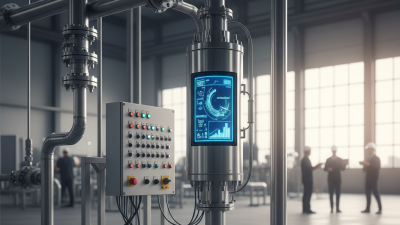
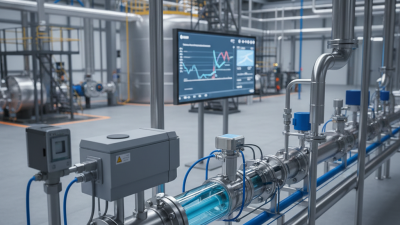
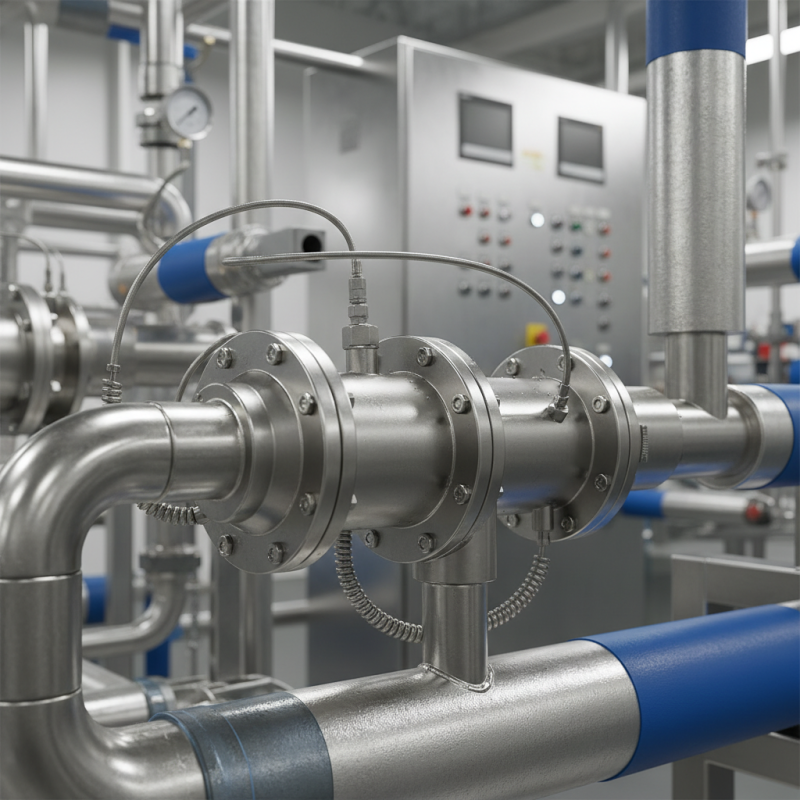
An inline flow meter is a device used to measure the flow rate of liquids and gases within a pipeline. It is installed directly in the piping system, which allows for real-time monitoring of fluid dynamics. This setup is essential in various industries, including chemical manufacturing, water treatment, and food processing. The purpose of an inline flow meter is to ensure optimal operation by providing accurate data about fluid flow, pressure, and sometimes temperature.
Understanding how inline flow meters function is crucial for effective system management. These devices often utilize sensors to measure the velocity of the fluid. The data collected is then converted into flow rates, allowing organizations to optimize processes. Proper calibration and placement are vital for accuracy. However, users often overlook how installation might impact readings. Ideally, the flow meter should have a straight run of pipe before and after to avoid disturbances. Any bends or obstructions can lead to erroneous measurements.
Inline flow meters can also face challenges like wear and tear over time. Regular maintenance is necessary to ensure continued reliability. Fluctuations in temperature and pressure might affect performance too. This reality highlights the importance of training personnel in proper meter handling and troubleshooting. Adopting a proactive approach can mitigate many potential issues, ensuring these tools remain effective and trustworthy in fluid management.
Inline Flow Meter Usage in Different Industries
Types of Inline Flow Meters Used in Various Applications
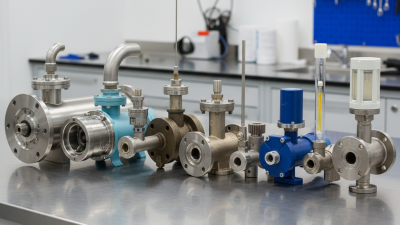
Inline flow meters are essential in various industries for measuring fluid flow rates directly within pipelines. Depending on the application, multiple types of inline flow meters are utilized, each designed to meet specific measurement requirements.
For example, electromagnetic flow meters are widely used in water treatment facilities. They accurately measure the flow of conductive liquids. According to the Flow Measurement and Control Market report, this segment is expected to grow by 5.6% annually through 2025. Another important type is the vortex flow meter, often employed in gas applications. These meters are known for their reliability and minimal maintenance needs. They work by detecting the frequency of vortices created by the flow.
In recent years, the use of mass flow meters has seen significant growth, especially in the oil and gas sector. They are adept at measuring gas and liquid flows with high accuracy. An industry research report highlights that approximately 30% of industries are now prioritizing mass flow meter technology for better efficiency. However, challenges remain in calibration and ensuring consistent accuracy across varied flow conditions. Understanding these dynamics is crucial for further advancements in flow measurement technology.
Principles of Operation for Inline Flow Meters
Inline flow meters are essential tools in various industries. These devices measure the flow rate of liquids and gases directly within a pipeline. Understanding how they function requires insight into their principles of operation.
Inline flow meters utilize different measurement techniques. Many devices rely on mechanical movement or electromagnetic principles. For example, turbine meters spin as fluid flows through them. The speed of these spins indicates flow rate. Similarly, electromagnetic meters apply Faraday’s law of electromagnetic induction. By using magnetic fields, they measure the flow of conductive liquids accurately. Each method has strengths and limitations, highlighting the importance of choosing the right one for specific applications.
Calibration is vital for accurate measurements. Inline flow meters should be regularly checked to ensure reliability. Factors like temperature, pressure, and fluid composition can affect their accuracy. This makes ongoing monitoring and adjustments necessary for optimal performance. Technology continues to evolve, offering more sophisticated solutions. However, the potential for errors reminds us of the need for vigilance in measurement practices.
Advantages of Using Inline Flow Meters in Industries
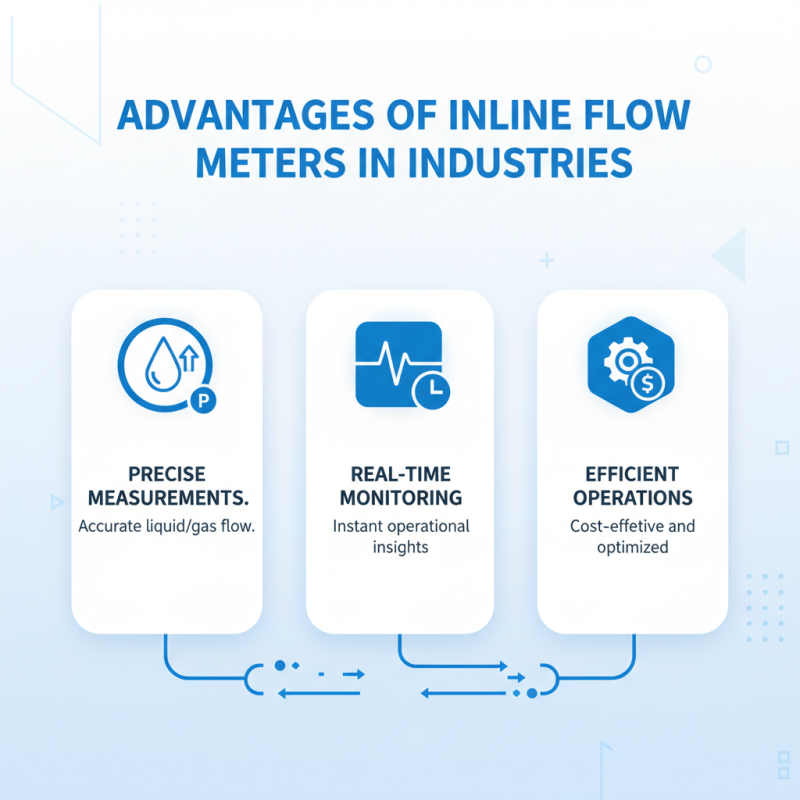
Inline flow meters are essential tools in various industries. They provide precise measurements of liquid or gas flow directly in the pipeline. The ability to monitor flow rates in real time offers significant advantages for efficient operations.
One major benefit of using inline flow meters is improved accuracy. Traditional methods can introduce errors, while inline meters deliver precise data. This accuracy helps businesses optimize processes and reduce waste. Enhanced efficiency leads to cost savings over time. Additionally, regular monitoring can prevent potential issues, helping to maintain equipment longevity.
Tips for choosing an inline flow meter include considering the fluid type and flow range. Remember that installation location is crucial for accurate readings. Proper calibration is necessary to ensure reliability. Sometimes, industries overlook these factors and face costly mistakes.
Another advantage is enhanced safety. Inline flow meters help identify leaks early, minimizing risks. This proactive approach protects both employees and the environment. However, improper installation can lead to inaccuracies. Reflecting on maintenance practices may reveal overlooked aspects that impact performance.
Common Challenges and Solutions in Inline Flow Meter Installation
Inline flow meters are vital for accurate fluid measurement in various industries. However, their installation often presents challenges that can affect performance. Common issues include incorrect sizing, improper alignment, and external vibration. According to a report from the American Society of Mechanical Engineers, improper installation can lead to a 20% reduction in flow accuracy, highlighting the need for precision.
One significant challenge is ensuring that the flow meter is suitable for the specific application. For example, a flow meter designed for low viscosity fluids may perform poorly with high viscosity liquids. Aligning the device correctly is crucial. A misalignment of even a few degrees can cause turbulence, affecting readings. Experts suggest conducting detailed site assessments prior to installation.
Additionally, environmental factors can influence performance. High levels of electromagnetic interference or extreme temperatures may disrupt operation. The International Society for Automation reports that nearly 25% of flow meter failures are attributed to external influences. Regular maintenance checks and adjustments can mitigate potential issues. Recognizing these challenges is essential for optimizing flow meter reliability and accuracy.