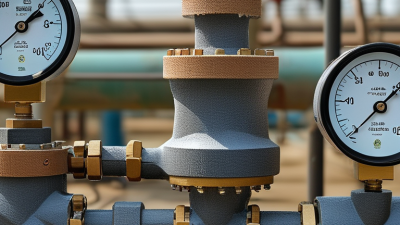
How to Choose the Right In Line Flow Meter
Choosing the right In Line Flow Meter begins with understanding the process, not browsing product catalogs. Pipe size, fluid type, temperature, pressure, conductivity, viscosity, and required accuracy all influence the decision. A meter that performs well in clean water may struggle with oil, steam, chemicals, or fluid containing suspended particles.
William Thomson, Lord Kelvin, a pioneer of measurement science, stated, “When you can measure what you are speaking about, and express it in numbers, you know something about it.” This principle remains relevant to modern flow measurement. Reliable selection depends on measurable conditions, verified data, and a clear understanding of operating risks.
Consider installation space carefully. A cramped pipe section may create turbulence before the sensor. That can distort readings. Straight-run requirements, grounding, calibration, signal output, and maintenance access deserve equal attention. Corrosive fluids may require special wetted materials. Hygienic processes may demand sanitary connections and easy cleaning.
Accuracy is not the only concern.
A lower-cost meter can become expensive when readings drift, cleaning takes longer, or replacement parts are difficult to source. Yet specifications alone do not guarantee success. Real applications are often messier than design documents suggest. Small air bubbles, changing viscosity, or irregular flow can expose weaknesses that laboratory tests miss.
This guide explains how to compare technologies, confirm compatibility, and avoid common selection mistakes. It also encourages a practical review of the entire measuring point, from upstream piping to long-term service support.
Define the Measurement Requirements for Your Process
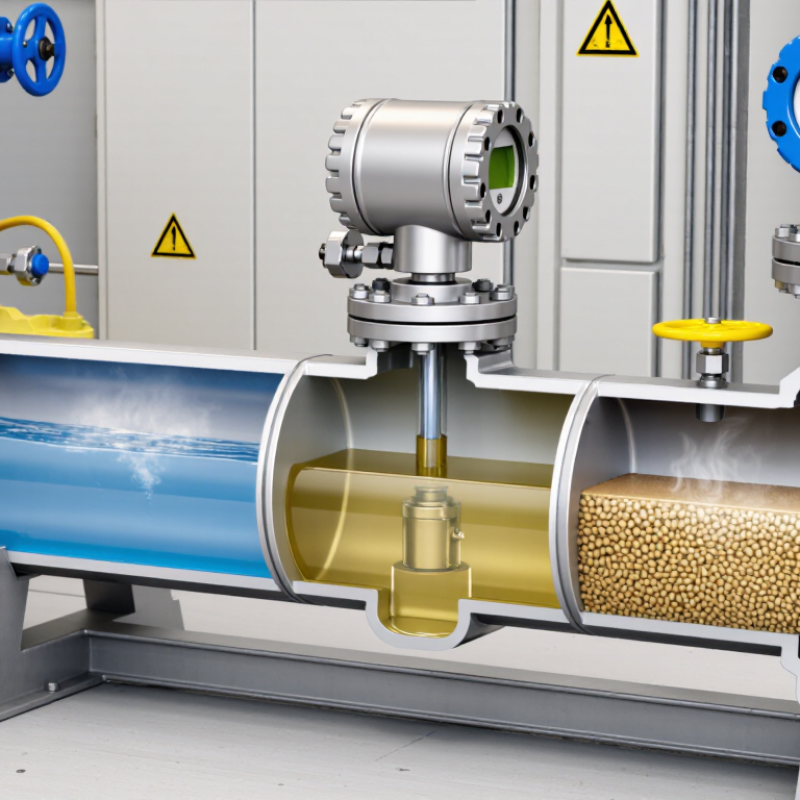
Choosing an in-line flow meter starts with defining what your process truly needs. Record the minimum, normal, and maximum flow rates. A meter sized only for the average rate may lose accuracy during start-up or cleaning. Do not guess the fluid properties. Density, viscosity, temperature, pressure, and conductivity can change the measurement method.
Ask how accurate the reading must be. A batching process may need tighter control than a simple leak check. Decide whether you need total flow, live flow rate, or both. Check the pipe diameter, available straight-run length, and installation direction. Nearby pumps, valves, and elbows can disturb the flow profile. Sometimes, moving the meter is more practical than forcing an unsuitable model into a crowded line.
Think about the signal and the working environment. Confirm the required output, communication method, power supply, and enclosure protection. If the process contains suspended particles, select a design that tolerates them without frequent blockage. Plan access for inspection and calibration. Small details matter.
A common mistake is treating the datasheet as a complete answer. It is not. Review the meter against real operating conditions, including short pressure spikes and seasonal temperature changes. Leave enough measuring range for future demand, but avoid excessive oversizing. I have seen both choices create unnecessary uncertainty. A short trial with clean installation data can reveal problems before permanent installation. Calibration records should also match the process conditions, not just laboratory settings.
Compare In-Line Flow Meter Technologies
How to Choose the Right In Line Flow Meter
Compare In-Line Flow Meter Technologies
Choosing an in-line flow meter starts with the fluid, pipe, and required accuracy. Water, oil, air, and chemical solutions behave differently. A meter that performs well on clean water may fail with bubbles or suspended solids. Check temperature, pressure, viscosity, conductivity, and expected flow range before comparing models. Small details matter.
Turbine meters suit clean, low-viscosity liquids and provide dependable readings at steady flow. Their moving parts can wear when grit enters the line. Electromagnetic meters measure conductive liquids without obstructing the pipe. They handle dirty water well, but they cannot measure most oils or dry gases. Ultrasonic meters use sound waves and often create minimal pressure loss. However, poor pipe alignment or air pockets can reduce their accuracy.
Vortex meters work well with steam, gas, and many clean liquids. They need adequate straight pipe length and stable flow conditions. Thermal meters are useful for gases, especially where low flow must be detected. Their readings can change when gas composition or temperature shifts. Variable-area meters remain simple and easy to inspect, though operators must read them locally.
Installation quality often decides the real result. Keep the pipe full, remove trapped air, and verify the meter against a trusted reference. I have seen specifications look perfect while a nearby pump caused unstable readings. That part is easy to overlook. Recheck the application after installation.
Match Meter Materials to the Fluid and Operating Conditions
How to Choose the Right In Line Flow Meter
Material selection should begin with the fluid, not the meter’s price. Check pH, chloride concentration, temperature, pressure, viscosity, and abrasive content. A stainless-steel body may suit clean water but suffer rapid pitting in warm, salty service. The NACE IMPACT study estimated global corrosion costs at about 2.5 trillion US dollars annually, equal to roughly 3.4% of global GDP. That figure makes material compatibility an operating decision, not a minor specification.
For acids, alkalis, and solvents, engineers may consider fluoropolymer linings, high-performance alloys, ceramic sections, or engineered plastics. However, no material is universally safe. ISO 5167 emphasizes controlled measurement conditions, while ASTM G31 provides a recognized approach for laboratory immersion corrosion testing. Test the actual fluid when possible. A clean sample can hide suspended solids, dissolved gases, or changing chemistry. The table looked right. The field result was different. This happens more often than many specifications admit.
Tips: Request a chemical compatibility review and state the maximum temperature, pressure, and flow range. Inspect wetted parts, seals, and electrodes separately. For slurry service, ask about abrasion testing. Leave a safety margin. It is easy to overtrust a catalog chart, especially when fluid chemistry changes during cleaning. Document the operating assumptions, then revisit them after commissioning.
Evaluate Accuracy, Installation, and Maintenance Needs
Choosing the Right In Line Flow Meter
Accuracy begins with the process, not the product label. Define the liquid or gas, expected flow range, temperature, pressure, and acceptable error. A meter rated for your normal range may perform poorly during low-flow periods. Check the calibration method and request traceable test records when measurement affects billing, safety, or production quality. Small errors become expensive over time.
Installation conditions can change a good meter’s performance. Measure the available pipe diameter and confirm the required straight-run distance. Elbows, valves, pumps, and reducers can disturb the flow profile. Install the meter in a fully filled section, away from vibration and severe temperature changes. Follow the arrow on the housing. It sounds obvious, yet rushed installation causes preventable mistakes. Leave enough space for removal and inspection.
Maintenance needs should match your staff and operating schedule. Choose a design that allows simple cleaning, sensor checks, and seal replacement. Create a log for readings, alarms, calibration dates, and unusual pressure changes. Inspect connections for leaks and look for buildup on wetted parts. A self-diagnostic feature helps, but it cannot replace physical inspection. I have seen teams trust stable numbers too quickly; a blocked strainer can make those numbers misleading. Plan a verification check after installation, after repairs, and whenever process conditions change. Perfect accuracy is rarely realistic, so document the remaining uncertainty.
How to Choose the Right In Line Flow Meter - Evaluate Accuracy, Installation, and Maintenance Needs
| Flow Meter Technology | Typical Accuracy | Suitable Fluids | Installation Requirements | Pressure Loss | Maintenance Needs | Best-Fit Applications | Key Limitations |
|---|---|---|---|---|---|---|---|
| Electromagnetic | ±0.2% to ±1.0% of reading | Electrically conductive liquids, including clean water, wastewater, slurries, and corrosive liquids with compatible liners and electrodes. | Requires a full, liquid-filled pipe. Grounding and correct electrode orientation are important. Straight-pipe requirements are commonly moderate and depend on the meter design. | Very low because there are no moving parts or internal obstructions. | Generally low. Inspect electrode condition, liner compatibility, grounding, and buildup when measuring dirty or abrasive fluids. | Water treatment, process liquids, chemical dosing, food and beverage liquids, and slurry measurement. | Cannot measure non-conductive liquids such as many hydrocarbons, gases, or steam. Empty-pipe conditions can affect the signal. |
| Ultrasonic Inline | ±0.5% to ±1.5% of reading | Clean liquids and gases, depending on the sensor configuration. Some designs can handle limited solids or bubbles. | Needs proper sensor coupling and a stable, full pipe. Flow profile, pipe material, and upstream disturbances must be considered. | Very low because the flow path is usually unobstructed. | Low to moderate. Check transducer condition, signal quality, pipe lining, and calibration periodically. | General process monitoring, utility measurement, water systems, and applications where minimal obstruction is preferred. | Accuracy can decline with excessive air, heavy solids, unstable flow profiles, poor acoustic transmission, or unsuitable pipe materials. |
| Turbine | ±0.5% to ±1.0% of reading | Clean, low-viscosity liquids and gases with controlled contamination levels. | Requires a properly sized meter, a full pipe, and straight runs to stabilize the flow. A strainer may be needed for debris-sensitive installations. | Moderate because the rotor creates an obstruction. | Moderate to high. Bearings and rotor components can wear; inspect for fouling, damage, and changes in calibration. | Fuel monitoring, clean water, compressed air, and batch or dosing systems with relatively stable flow. | Moving parts are sensitive to solids, high viscosity, pulsating flow, and operation outside the specified velocity range. |
| Vortex | ±0.7% to ±2.0% of reading | Liquids, gases, and steam, subject to the meter's pressure, temperature, and Reynolds-number limits. | Requires a full pipe and adequate straight-run length. Correct sizing is essential because minimum velocity is needed to generate a stable vortex signal. | Low to moderate, depending on body design and operating conditions. | Low. Periodically inspect the bluff body, sensor, grounding, and vibration environment. | Steam distribution, compressed air, natural gas, and general industrial utility measurement. | Not ideal for very low flow, highly viscous liquids, severe vibration, or strongly pulsating flow. |
| Coriolis | ±0.1% to ±0.5% of reading | Many liquids, gases, slurries, and high-viscosity fluids, provided the tube materials and process conditions are compatible. | Must be installed according to the manufacturer's orientation and support guidance. Avoid external vibration and ensure the meter remains full when required. | Moderate to high, especially at high viscosity or high flow rates. | Low to moderate. Verify zero stability, check for coating or plugging, and perform periodic calibration or proving when required. | High-accuracy mass flow, batching, custody-related measurement, blending, and density monitoring. | Higher purchase cost, greater weight, and potentially higher pressure drop than unobstructed technologies. |
| Differential Pressure | ±1.0% to ±2.5% of reading | Liquids, gases, and steam when suitable primary elements, impulse lines, and pressure connections are selected. | Requires a primary element, pressure taps, impulse piping, isolation valves, and careful management of condensate or trapped gas. | Moderate to high because permanent pressure loss is created by the primary element. | Moderate to high. Inspect impulse lines, valves, transmitters, condensate pots, leaks, and zero drift. | Steam, gas, utility systems, and installations where existing pressure-tap infrastructure is available. | Accuracy is affected by density changes, plugged impulse lines, incorrect tapping, and operating conditions outside the calibration range. |
| Variable Area | ±1.5% to ±5.0% of full scale | Clean liquids and gases; specialized materials may support corrosive services. | Usually installed vertically with upward flow. The meter must be correctly sized for the operating range and fluid properties. | Low to moderate, depending on flow rate and float design. | Low for clean service. Clean the tube and float if deposits, sticking, or suspended solids affect movement. | Local indication, purge systems, laboratory services, and simple low-flow monitoring. | Lower accuracy than many electronic meters; readings can be affected by temperature, pressure, density, viscosity, and installation orientation. |
Selection note: Actual accuracy depends on meter size, calibration, fluid properties, Reynolds number, flow profile, temperature, pressure, and operating range. Confirm the published performance specification for the exact model and process conditions before purchase.
Select the Best Meter Using Cost and Long-Term Performance
How to Choose the Right In Line Flow Meter
Select the Best Meter Using Cost and Long-Term Performance
Choosing an in-line flow meter is rarely about purchase price alone. A low-cost unit may look attractive on a quotation, yet frequent cleaning can increase labor costs. In field evaluations, technicians often compare the meter beside the pipe, not just on a spreadsheet. Check the fluid type, expected flow range, temperature, pressure, and available installation space. Small details matter. A meter operating near its measurement limits may produce unstable readings and costly process errors.
Long-term performance depends on materials, calibration stability, and maintenance access. For water, chemicals, or viscous liquids, confirm wetted-material compatibility with documented technical data. Ask how often calibration is recommended and whether records can be verified by a qualified laboratory. Also examine pressure loss. A meter that restricts flow can raise pump energy use every hour. Over five years, that hidden expense may exceed the original purchase price. Include sensors, seals, wiring, software, and technician time in the lifecycle estimate.
A practical comparison uses total cost of ownership, not a single invoice. Request test data at your actual operating conditions, if available. Review accuracy across the full range, not only the best-case point. A simple payback model helps, but it should not decide everything. A common field lesson is that poor access makes maintenance unexpectedly difficult. Leave room for inspection and replacement. Reliability is partly a design decision. Recheck the assumptions before approval. Maybe the cheapest meter is suitable. Maybe it is not.
Related Posts
-
7 Best Flow Rate Meters for Accurate Measurement?
-
2025 Top 10 In Line Flow Meters: Enhance Accuracy and Efficiency
-
Essential Tips for Choosing the Right Flow Rate Meter?
-
2026 Top Types of 2 Inch Flow Meter You Need to Know?
-
Top 5 Best Flow Rate Meters for Accurate Measurement in 2026?
-
The Ultimate Guide to Understanding Flow Meters and Their Impact on Industrial Efficiency